The Complete Guide to Task Automation in Healthcare Facilities
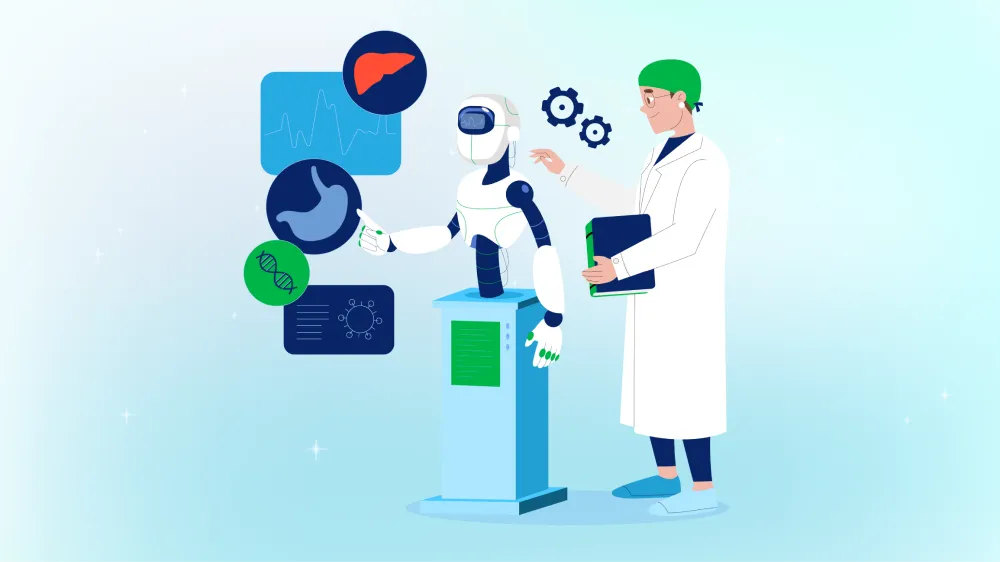
Healthcare facilities face a constant challenge of managing vast operational responsibilities alongside delivering quality patient care. Task automation in healthcare has emerged as an essential tool to improve efficiency, accuracy, and resource utilization. By automating repetitive processes, healthcare organizations can reduce human error, save time, and allocate resources more effectively.
This comprehensive guide delves into the significance of task automation, highlights its practical applications in hospitals, and explores tools such as hospital management systems, AI chatbots in healthcare, and healthcare automation software.
Why is Task Automation Important in Healthcare?
Task automation plays a crucial role in the healthcare industry by handling repetitive and rule-based activities that consume significant time and effort. By implementing automation, hospitals and clinics can ensure smoother operations, reduced operational costs, and improved patient satisfaction.
- According to the American Medical Association, nearly 50% of a physician’s workday is spent on administrative tasks. Automating these processes can free up time for patient-focused activities.
- A Deloitte report suggests that adopting automation can save up to 20–30% of operational costs in healthcare facilities.
Automation doesn’t just benefit healthcare providers; it also improves patient experiences by speeding up processes like appointment scheduling, billing, and follow-up communication.
What is Task Automation in Healthcare?
Task automation in healthcare involves using technology to perform repetitive, time-consuming tasks with minimal human intervention. It covers a wide range of operations, including patient communication, billing, appointment scheduling, and inventory management.
Modern tools like hospital management system, AI chatbots in healthcare, and healthcare automation software provide the infrastructure needed to implement these solutions. They ensure that automated processes are seamless and accurate while maintaining compliance with data privacy regulations.
Key Benefits of Task Automation in Healthcare
Reduced Administrative Workload Many administrative tasks, such as data entry and appointment coordination, can be automated to save staff time.
- Tools like healthcare automation software ensure accuracy and efficiency in managing records.
- Automating appointment reminders reduces patient no-shows and allows staff to focus on critical tasks.
Improved Patient Communication Patients often require timely updates about their appointments, prescriptions, or test results. AI chatbots in healthcare facilitate this communication efficiently.
Minimized Errors Manual processes are prone to errors, particularly in data entry and billing. Automation ensures standardization and reduces inaccuracies.
Cost Savings By optimizing workflows and reducing labor-intensive tasks, hospitals can cut operational costs without compromising on quality.
Compliance and Security Automated tools like hospital management systems come with built-in features that help facilities comply with regulations such as HIPAA and GDPR, ensuring secure handling of sensitive patient information.
How Does Task Automation Help in Healthcare Facilities?
1. Streamlining Administrative Processes
Administrative tasks can be overwhelming in busy healthcare environments. Automating these functions not only saves time but also ensures consistent quality.
- Scheduling Appointments: Automated scheduling tools provide patients with online booking options and notify them of upcoming visits through SMS or email.
- Billing and Claims: Automation simplifies billing processes and speeds up insurance claim submissions, minimizing delays.
2. Supporting Clinical Operations
Automation extends beyond administrative work, playing a key role in clinical tasks as well. For example:
- Lab Result Management: Automated systems notify patients and doctors as soon as test results are available.
- Medication Alerts: Patients receive automated reminders for medication adherence, improving treatment outcomes.
3. Optimizing Resource Allocation

Inventory management is another area where automation is highly effective. Tools like healthcare automation software track supplies, flag low-stock items, and ensure timely restocking to prevent disruptions.
4. Enhancing Patient Engagement
Patient satisfaction is critical for healthcare facilities. AI chatbots in healthcare provide 24/7 assistance by answering common queries, guiding patients through procedures, and sending reminders for follow-up appointments.
Examples of Task Automation in Hospitals
1. Appointment Scheduling
Patients can book appointments directly through online portals powered by hospital management systems. The system checks physician availability and automatically schedules the appointment, eliminating manual intervention.
2. Billing and Payment Processing
Automating billing reduces errors and ensures that patients receive accurate invoices. Healthcare automation software integrates payment gateways, simplifying the process for both patients and providers.
3. Patient Communication
Automated messaging systems, often integrated with AI chatbots in healthcare, handle appointment reminders, test results, and post-treatment care instructions.
4. Inventory Management
Hospitals use automation tools to track inventory in real-time, ensuring that medical supplies are always available without overstocking.
5. Staff Rostering
Automated scheduling tools assign shifts based on staff availability and workload, improving efficiency and preventing burnout.
Tools for Automating Tasks in Healthcare

1. Hospital Management Systems
A hospital management system integrates multiple functions into one platform. It streamlines processes such as patient registration, billing, and appointment scheduling. These systems reduce redundancy and centralize data for better decision-making.
2. AI Chatbots in Healthcare
AI chatbots in healthcare are increasingly being used for patient interaction. They handle repetitive queries, guide patients through registration processes, and provide round-the-clock support.
3. Healthcare Automation Software
Healthcare automation software covers a wide range of applications, from automating data entry to managing medical equipment maintenance schedules. These tools ensure that routine tasks are handled efficiently, allowing staff to focus on critical care delivery.
Implementing Task Automation in Healthcare
To successfully adopt task automation, healthcare facilities must follow a structured approach:
Identify Repetitive Tasks: Start by identifying tasks that consume significant time and resources. Focus on areas like patient registration, billing, and communication.
Choose the Right Tools: Select solutions tailored to your facility’s needs. Tools like hospital management systems and AI chatbots in healthcare should integrate seamlessly with existing systems.
Train Staff: Equip employees with the necessary skills to operate new automation tools. Comprehensive training ensures smooth adoption and reduces resistance.
Monitor and Evaluate: Continuously assess the impact of automation to identify bottlenecks and areas for improvement. Use analytics provided by healthcare automation software to measure success.
Challenges in Adopting Task Automation
While automation offers numerous benefits, healthcare facilities may encounter challenges during implementation:
- Integration Issues: Legacy systems may not be compatible with modern automation tools.
- Cost Concerns: Initial investment in tools like hospital management systems can be significant.
- Resistance to Change: Both staff and patients may resist automation due to unfamiliarity or concerns about data privacy.
These challenges can be addressed by prioritizing staff training, choosing interoperable solutions, and communicating the benefits of automation effectively.
User Experience with Task Automation
Patients and staff alike benefit from task automation. Patients experience faster service, accurate billing, and timely communication, while staff enjoy reduced workloads and fewer manual errors. Tools such as AI chatbots in healthcare improve accessibility by offering 24/7 assistance, while hospital management systems simplify complex operations for smoother workflows.
Conclusion
Task automation in healthcare is transforming how facilities operate by addressing inefficiencies and enhancing service quality. By adopting tools like hospital management systems, AI chatbots in healthcare, and healthcare automation software, healthcare providers can streamline processes, reduce errors, and improve patient outcomes. The future of healthcare lies in embracing these technologies to ensure seamless and effective care delivery.
FAQs About Task Automation in Healthcare
How does task automation help in healthcare facilities?
Automation reduces the burden of repetitive tasks, improves efficiency, and minimizes errors. Tools like hospital management systems and healthcare automation software ensure that administrative and clinical processes run smoothly.
What are examples of task automation in hospitals?
Examples include automated appointment scheduling, inventory management, and patient communication using AI chatbots in healthcare.
What are the best tools for automating repetitive tasks in healthcare?
Some of the best tools include hospital management systems for operational efficiency, AI chatbots in healthcare for patient communication, and healthcare automation software for comprehensive workflow management.
Comments
Post a Comment